Wind Power is fantastic, but the risks are real
Wind Farms are becoming increasingly important to the worldwide energy market, however keeping them well maintained and functioning is a difficult job for maintenance crews. Since the early 2000s, wind farms have grown in size – both in blade length and height, which has benefited the operator as they’re generating more energy, however it has caused more complications for the maintenance engineers servicing these assets. This is a particular burden for offshore farm operators, as there’s relentless pressure on asset performance and operating costs. This pressure is increasing as the first installed wind farms reach the end of their usable life and need to capitalise on the opportunity for life extension.
What happens when wind turbines are poorly maintained?
Downtime Maintenance
When wind turbine components stop functioning, they can cause unscheduled stoppages, which for the operator means unscheduled service at higher rates and repair costs, potentially void the manufacturer’s warranty, not meet peak electricity demand, and lost revenue. The average downtime for a wind turbine gearbox failure takes between 10 – 14 days to fix the issue, which can have serious effects on the bottom line via employee overtime payments, and paying exorbitant prices for shipping equipment fast enough to fix the issue.
Additionally, any repair or replacement of large components often requires the expensive rental of cranes and high-tech safety equipment. This is due to the remote location of wind turbines, and their height, which can reach in excess of 300ft, and creates dangerous conditions for maintenance crews working on isolating and fixing the fault. In extreme cases, a wind turbine can catch fire, with disastrous consequences.
Lack of data
In comparison to other energy providers, wind is a relatively new technology that hasn’t yet collected enough data on their maintenance and operations. Wind technicians are often facing unique challenges that require critical thinking, and experienced engineers to make decisions that graduates or a young team wouldn’t be able to do. As a result, maintenance technicians are forced to constantly adapt to their environment, and take down extensive notes to ensure these issues are resolved in a competent manner, and future technicians can deal with the challenges easier.
What components are most susceptible to failure?
- At least 62.9% of all failure causes are internal engineering related failure modes while the remainder are due to external effects, mostly weather related.
- At least 69.5% of all failure consequences lead to less or no power being produced while the remainder leads to ageing in some form.
- About 82.5% of all maintenance activity is hardware related and thus means that a maintenance crew must travel to the plant in order to fix the problem. This is particularly problematic when the power plant is offshore.
- On average, a failure will occur once per year for plants with less than 500 kW, twice per year for plants between 500 and 999 kW and 3.5 times per year for plants with more than 1 MW of power output. The more power producing capacity a plant has, the more often it will fail.
- The age of a plant does not lead to a significantly higher failure rate.
- The rarer the failure mode, the longer the resulting shutdown.
- A failure will, on average, lead to a shutdown lasting about 10 – 14 days.
The role Artificial Intelligence plays in the development of these assets
As mentioned above, wind turbine operators are becoming more relevant in the supply of global energy, and will continue to do so for decades ahead. However, unlike previous energy sources, maintenance engineers haven’t collected enough data on these turbines to improve efficiencies and cut costs. This will result in more downtime maintenance over the long term and assets being less reliable than initially proposed.
Artificial intelligence will be invaluable for maintenance engineers in the future who work on assets like these. For maintaining complex assets like wind turbines, you’ll want to use artificial intelligence solutions like LexX, which utilises AI and Machine Learning to learn over time from organisational data, technician interaction, and equipment behaviour for continually refining troubleshooting and rectification. As we’re witnessing right now, having a knowledgeable workforce is crucial in reducing downtime and ensuring that your assets run as efficiently as possible. Using LexX, you can empower your technicians to access all the critical information they need, from diagnosing the initial point of failure to finding the solution and rectifying the problem.
Any asset like a wind turbine has many complex moving parts within the system, so making sure technicians can efficiently diagnose and solve those problems is paramount to the continued operational efficiency. Using LexX ensures your organisation can take advantage of the many years of field experience your technicians have developed and practised over the years and provide it to anyone in the organisation that requires it.
Related News
LexX to Showcase AI Solutions at International Paris Air…
LexX Technologies is excited to announce its participation in this year’s International Paris Air…
LexX Technologies Partners with Etihad Engineering
We are thrilled to announce that LexX Technologies has just signed Etihad Engineering as a new…
LexX Highlights from IMDEX Asia 2023
We had an amazing experience at IMDEX Asia last week! Our CEO, Anant Sahay, had the…
CEO Anant Sahay to Represent the Company at IMDEX…
We’re thrilled to announce that our CEO, Anant Sahay, will be representing our company at…
Certified Skywise Software Developers on our team!
🎉 Exciting News Alert! 🎉 We are thrilled to announce that we now have…
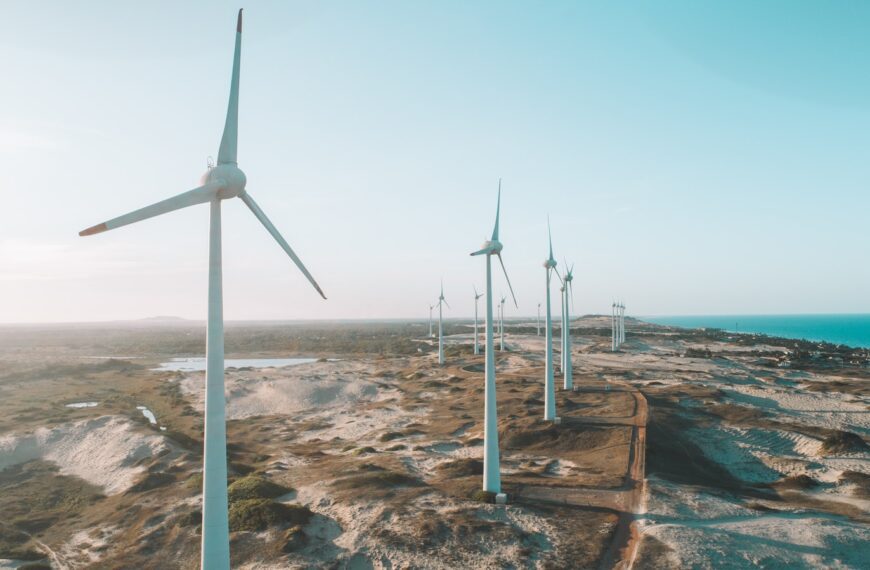
Wind Power is fantastic, but the risks are real
Wind Power is fantastic, but the risks are real Wind Farms are becoming increasingly…
How can Energy Providers keep their critical assets performing…
How can Energy Providers keep their critical assets performing using Artificial Intelligence to assist…
Boeing, UAE’s Tawazun tip into start-up LexX Technologies
Boeing, UAE’s Tawazun tip into start-up LexX Technologies LexX is proud to announce that…
‘Leveraging information technology for optimal aircraft maintenance, repair and…
‘Leveraging information technology for optimal aircraft maintenance, repair and overhaul (MRO)’ This book, published…
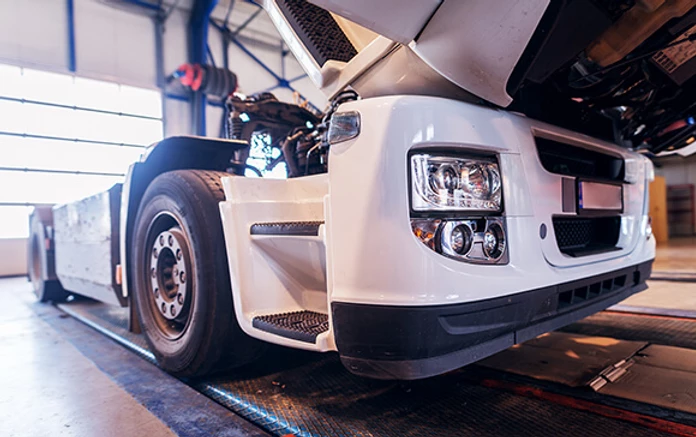
Fleet vehicle downtime: The true cost of having a…
Fleet vehicle downtime: The true cost of having a vehicle off the road |…

Does the Age of AI also mean the Age…
Does the Age of AI also mean the Age of Human Redundancy? Artificial Intelligence…

The Digital Saviour of Aviation’s Rising MRO Costs
The Digital Saviour of Aviation’s Rising MRO Costs Read our article on Medium about…
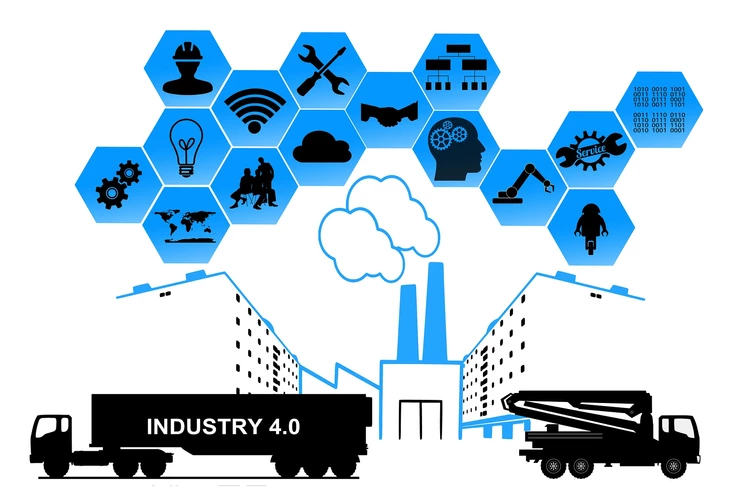
Maintenance 4.0: The Digital Twin of Industrie 4.0
Maintenance 4.0: The Digital Twin of Industrie 4.0 As the information era continues to…
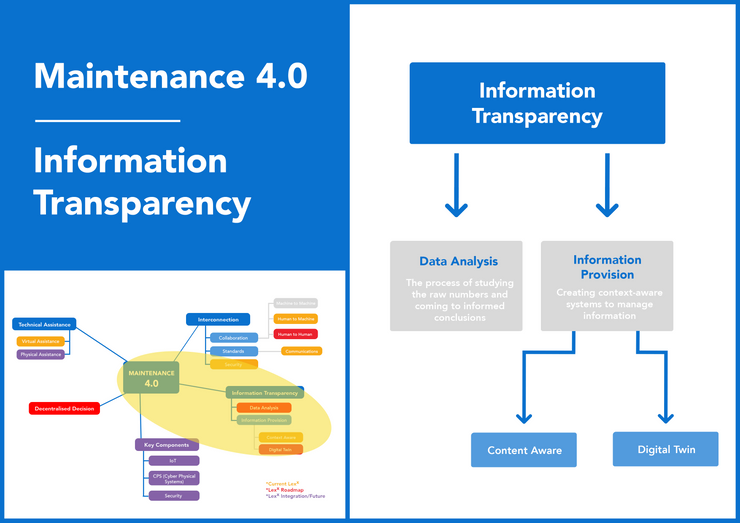
Maintenance 4.0: What Makes Information Transparency the Key to…
Maintenance 4.0: What Makes Information Transparency the Key to Making Informed Decisions? Information Transparency…
Understanding Maintenance 4.0
Understanding Maintenance 4.0 [buzzsprout episode=’6610531′ player=’true’] Download here Hosted by Mike Harris About the…

Data Quality in Aviation
Data Quality in Aviation [buzzsprout episode=’8149629′ player=’true’] Download here Hosted by Mike Harris About…

The LexXicon Podcast | Trailer
The LexXicon Podcast [buzzsprout episode=’6408763′ player=’true’] Download here Hosted by Mike Harris About the…
Technology Trends and Predictions for 2021
Technology Trends and Predictions for 2021 [buzzsprout episode=’6993202′ player=’true’] Download here Hosted by Mike…

Insights on Renewables O&M from Accenture
Accenture have continued to release valuable insights into the world of O&M in the…
Product Roadmap Series | Designing Machines that Behave like…
One of my responsibilities at LexX is to ensure that the user experience of…


